
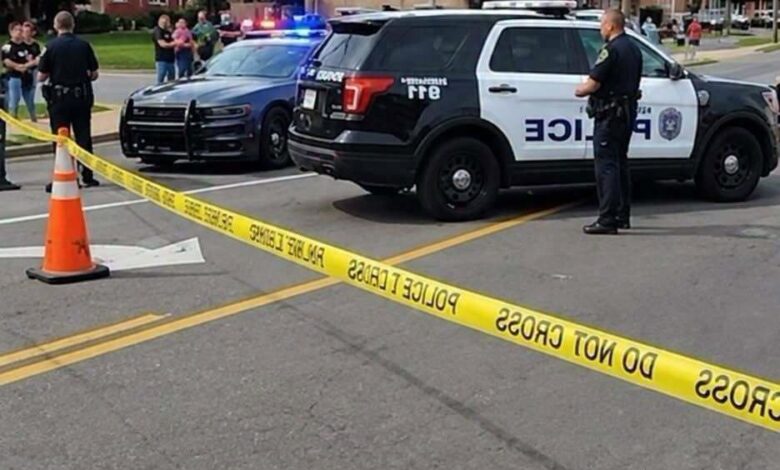
A large emergency response changed the pace of an otherwise ordinary area, bringing officers and other personnel to the scene while officials assessed what had happened. Authorities established restricted zones and asked residents, pedestrians, and commuters to stay clear as work continued. Road closures affected movement through the area, and nearby businesses and transportation routes experienced temporary disruption. For those trying to carry on with their day, the immediate impact was clear, even as the circumstances behind the response remained uncertain.
At the time of the response, officials had not provided a complete account of the incident. That left important questions open, including what had prompted the deployment and when normal access would resume. The confirmed picture was limited: emergency personnel were managing an incident, access restrictions were in place, and the public had been urged to keep its distance. Further official information was needed to explain the events fully.
For people nearby, the restrictions were the most visible part of the response. A route that had been available was closed, and a place that might ordinarily be passed without thought became an area to avoid. Those changes explain why the scene drew attention even before officials provided a fuller account. The disruption was observable; its underlying cause was still unclear.
That difference is central to describing the incident accurately. Officers and emergency personnel being present shows that a response was underway. It does not identify the nature of the incident, who was involved, or whether anyone had been injured. The supplied report does not provide those details, and the appearance of a cordon cannot substitute for them.
The effects on nearby businesses and transportation routes added another layer of uncertainty. People could see that ordinary activity had been interrupted, but they did not yet know when access would return. The report offers no reopening time. Any precise estimate would therefore go beyond the information available in this account.
Restricted areas also created a physical distance between the public and the work being done. Residents, pedestrians, and commuters were asked to stay clear while authorities assessed the situation. That request is the clearest practical instruction described in the report. It should be understood within the response itself, without implying a broader danger that officials had not explained.
When information is incomplete, a dramatic scene can encourage people to fill the gaps with their own explanations. This account leaves those gaps visible instead. It records the presence of emergency personnel, the access restrictions, and the temporary disruption, while acknowledging that a complete official explanation had not been released. That is a more faithful description than selecting one possible cause and presenting it as fact.
The next meaningful development would be an official account that explains why the response began and what happened afterward. Until such information is available, the story remains about the response people could observe and the questions it left unanswered. The ordinary pace of the area had changed, businesses and routes were affected, and people were waiting. Those details convey the experience of the scene without claiming knowledge the supplied material does not contain.