
Pimples on the back are more common than many people realize. Often called “bacne,” back acne can appear as small red bumps, whiteheads, blackheads, or larger, painful spots across the shoulders, upper back, and sometimes the lower back. Although it can be frustrating to deal with, understanding what causes these breakouts can help people choose a skincare routine that works for them.
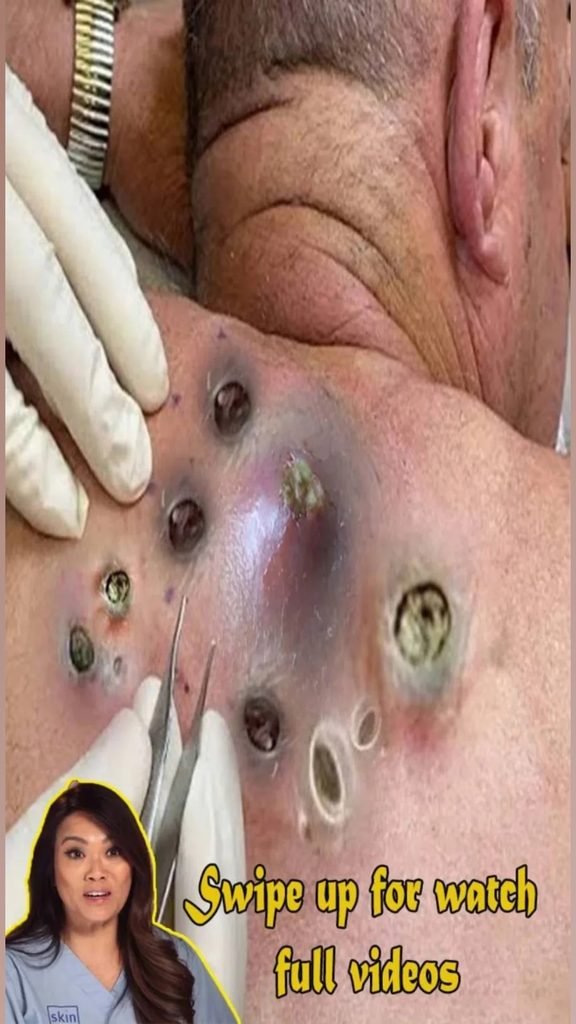
Unlike facial acne, back acne can be difficult to see and reach. Some people may not notice a breakout until they feel bumps while showering or experience irritation when wearing tight clothing. Others may find that their back becomes more prone to pimples after exercising, sweating, or spending time in hot weather.
Why Do Pimples Develop on the Back?
One of the main reasons back acne develops is that the skin contains sebaceous glands that produce oil, also known as sebum. When excess oil mixes with dead skin cells, it can clog hair follicles and contribute to acne. The bacteria naturally found on the skin and inflammation can also play a role in the development of pimples.
Sweat itself does not automatically cause acne, but sweat trapped beneath tight clothing can combine with friction, oil, and heat to aggravate breakouts. This is why some people notice more pimples after workouts or when wearing heavy backpacks, sports equipment, or clothing that rubs against their skin.
Hormonal changes can also contribute to acne by increasing oil production. Genetics may influence how likely someone is to develop breakouts, while certain skincare products, hair products, and medications may worsen acne in some individuals.
Importantly, having pimples on your back does not necessarily mean you have poor hygiene. Scrubbing the skin too aggressively can actually increase irritation and make the problem worse.
Simple Ways to Help Reduce Back Acne
The good news is that several everyday habits may help reduce back breakouts. Washing gently after sweating, changing out of damp workout clothes, and choosing breathable fabrics can help limit irritation. Showering regularly and washing clothing that comes into contact with the skin can also be useful.
For some people, an over-the-counter acne wash containing benzoyl peroxide or salicylic acid may help. Benzoyl peroxide reduces acne-causing bacteria, while salicylic acid helps unclog pores. These products can irritate sensitive skin, so it is best to start cautiously and follow the product instructions. Benzoyl peroxide can also bleach towels and clothing.
It is equally important to avoid squeezing or picking at pimples. Doing so can increase inflammation and raise the risk of scarring or dark marks that remain after the breakout has healed. Using gentle, non-comedogenic skincare products may also help prevent clogged pores.
If pimples appear after using a new body lotion, sunscreen, or hair product, reviewing the ingredients and stopping a suspected irritating product may be worthwhile.
When Should You See a Dermatologist?
Not every bump on the back is acne. Conditions such as folliculitis, which involves inflammation of hair follicles, can sometimes look similar but may require different treatment.
If the bumps are very painful, deep, spreading, repeatedly returning, or leaving scars, a dermatologist can help identify the cause and recommend appropriate treatment. Medical advice is also important if an over-the-counter routine has not helped after several weeks.
Sudden redness that spreads quickly, severe pain, fever, or a rapidly worsening swollen area may require prompt medical attention.
The Bottom Line
Back pimples can have several causes, including clogged pores, excess oil, hormonal changes, and friction from clothing. While they can be uncomfortable or affect confidence, they are common and often manageable with consistent, gentle skincare.
The key is to avoid harsh scrubbing, choose suitable products, and give treatments time to work. If breakouts are persistent or painful, getting professional advice can help prevent unnecessary irritation and lasting scars.
Clearer skin does not usually happen overnight, but understanding what may be triggering the breakouts is a helpful first step toward finding the right solution.