
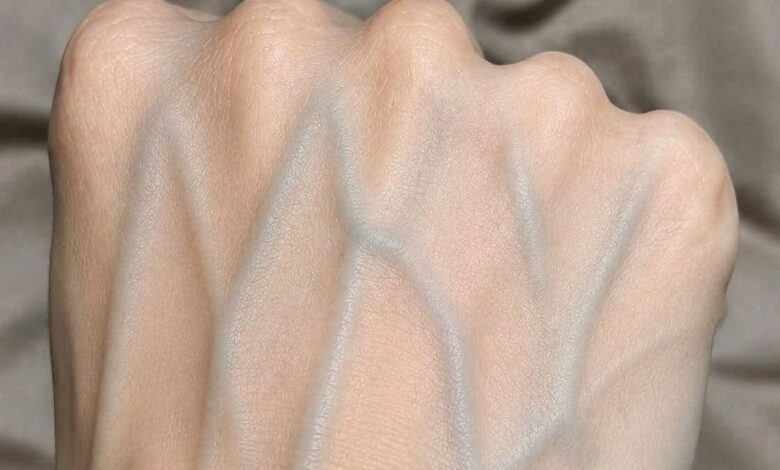
Have you ever looked down at your hands and noticed that the veins seem larger, darker, or more pronounced than they used to be? Perhaps they appear as raised blue lines across the backs of your hands, or maybe they become especially noticeable after exercising, spending time in warm weather, or taking a hot shower.
For many people, this unexpected change raises an immediate question: Could these visible veins be a warning sign of an underlying health problem?
It is an understandable concern. Our hands are among the most visible parts of our bodies, and even subtle changes in their appearance can attract attention. Unlike changes that happen beneath clothing, prominent hand veins are difficult to overlook.
Social media has made this concern even more widespread. Posts sometimes suggest that bulging hand veins indicate blocked arteries, heart disease, dangerous blood clots, or poor circulation. Although certain vascular conditions can affect the appearance of veins, these alarming claims often overlook a fundamental medical fact: visible hand veins are extremely common, and in most cases, they are harmless.
Their appearance can be influenced by aging, genetics, skin thickness, body fat, physical activity, temperature, and ordinary changes in blood flow. Some people naturally have prominent veins throughout their lives, while others notice them becoming more visible as they get older.
Still, not every change should be dismissed. A vein that suddenly becomes painful, swollen, unusually firm, or surrounded by discolored skin may require medical evaluation.
The important distinction is not simply whether your veins are visible, but whether their appearance has changed and whether other symptoms are present.
Understanding why hand veins become prominent can help you recognize normal variations in your body while remaining alert to the symptoms that deserve attention.
1. Understanding the Veins Beneath Your Skin
Before exploring why hand veins become more visible, it helps to understand their role in the circulatory system.
Your body contains an extensive network of blood vessels responsible for transporting blood between your heart, lungs, and tissues.
Arteries carry blood away from the heart, while veins return blood toward it. Most arteries carry oxygen-rich blood, and most veins carry blood that has already delivered much of its oxygen to the body’s tissues.
The veins in your hands perform this essential job continuously.
Some veins are located deep within the muscles and tissues, while others lie much closer to the skin’s surface. These are called superficial veins.
Superficial veins are particularly noticeable on the backs of the hands because there is relatively little tissue separating them from the outside world.
Their blue or greenish appearance is partly an optical effect related to the way light interacts with the skin and underlying blood vessels. The blood inside them is not actually blue.
In many people, the superficial veins form a branching network extending from the fingers toward the wrist. The pattern differs from person to person, much like fingerprints.
These veins can also change in appearance throughout the day.
When your hands hang below the level of your heart, more blood may temporarily collect in the superficial veins, making them look fuller. Raising your hands can sometimes make them appear less prominent.
This ordinary response to gravity illustrates why vein visibility alone cannot establish whether someone has a circulatory disease.
A vein can be quite noticeable while functioning normally.
The medical significance depends on the overall pattern, the person’s health history, and the presence or absence of symptoms.
2. Aging: One of the Most Common Reasons Hand Veins Become Prominent
One of the biggest influences on the appearance of hand veins is the natural aging process.
As we grow older, our skin gradually undergoes structural changes. Collagen production and organization change, elasticity decreases, and the fatty tissue beneath the skin can become thinner.
These changes are especially visible on the backs of the hands.
When we are younger, a layer of subcutaneous fat helps create a smoother appearance by cushioning the skin and covering some of the underlying blood vessels.
Over time, this layer may diminish.
As a result, veins that have always been present can become much easier to see.
The veins themselves do not necessarily become unhealthy or dramatically larger. In many cases, the surrounding skin and tissue simply provide less coverage than before.
Imagine a network of narrow tubes beneath a thick blanket. While the blanket is full and padded, the tubes are difficult to distinguish. As the blanket becomes thinner, their outlines are easier to recognize.
A similar principle applies to the veins beneath aging skin.
Other age-related changes, including reduced skin elasticity and accumulated sun exposure, can make veins stand out further.
This explains why prominent hand veins are frequently observed in older adults, even when they have no significant circulatory problems.
Some people first notice these changes in their forties or fifties, while others experience them earlier or much later.
There is no universal age at which hand veins become visible.
Genetics, lifestyle, body composition, and skin characteristics all influence the timing.
The important point is that gradually increasing vein visibility over many years, without pain or swelling, is commonly a normal part of aging.
Medical attention becomes more important when the change is sudden, localized, painful, or associated with other concerning symptoms.
3. Low Body Fat Can Make Veins More Noticeable
Body composition also plays an important role.
People with relatively low levels of subcutaneous fat often have more visible veins in their hands, arms, and sometimes other areas of the body.
This is particularly common among athletes, fitness enthusiasts, and naturally slender individuals.
Fat beneath the skin acts as a layer between the superficial veins and the skin’s surface.
When that layer is thin, the veins can be more easily seen or felt.
Someone who loses a substantial amount of body fat may therefore notice that the veins on their hands are much more prominent than before.
This does not necessarily mean their circulation has changed in a dangerous way.
In many cases, it is simply a visible consequence of reduced tissue coverage.
People who perform regular strength training may notice this effect even more.
Muscle development can change the contours of the arms and hands, and increased blood flow during physical activity can temporarily make superficial veins stand out.
Among bodybuilders, this prominent vascular appearance is sometimes called vascularity.
However, prominent veins are not a reliable measure of cardiovascular fitness, strength, or general health.
A healthy individual with more subcutaneous fat may have relatively inconspicuous veins, while another healthy individual with less body fat may have very visible veins.
Neither appearance automatically indicates better circulation.
It is also important to distinguish intentional changes in body composition from unexplained weight loss.
If hand veins become more prominent after gradual, expected weight loss, the explanation may be straightforward.
However, if the change accompanies significant unintentional weight loss, unusual fatigue, or other symptoms, discussing the broader pattern with a healthcare professional is sensible.
The concern in that situation is not necessarily the veins themselves but the unexplained changes happening throughout the body.
Original images — first group
Image 1
Image 2
Image 3
4. Exercise and Increased Blood Flow
Have you ever completed a workout and noticed that the veins on your hands and forearms suddenly look much larger?
This is another common physiological response.
During exercise, your body must deliver additional oxygen and nutrients to active muscles.
To support this demand, the heart pumps more blood, and blood vessels adjust their diameter and distribution of flow.
As muscles become active and body temperature increases, superficial veins can become more prominent.
For people lifting weights or performing resistance exercises, the effect may be especially noticeable.
During strenuous activity, muscle contractions and temporary changes in pressure influence the amount of blood moving through nearby veins.
The result can be veins that look raised or more sharply defined.
In most healthy individuals, this temporary change is not dangerous.
Once physical activity stops and the body returns toward its resting state, vein prominence may decrease.
Nevertheless, the effect varies substantially.
Some people have naturally visible veins even while resting. Others notice significant changes only during or after exercise.
Fitness level, body composition, temperature, and individual anatomy all contribute.
Exercise-related vein prominence should not be confused with abnormal swelling.
A healthy response generally does not produce unexplained severe pain, persistent swelling of one hand, or a tender, hardened vein.
If those symptoms occur, especially after unusually strenuous activity, medical evaluation is appropriate.
5. Warm Weather and Hot Showers Can Change Vein Appearance
Temperature has a surprisingly noticeable effect on blood vessels.
When your body becomes warm, it activates mechanisms designed to prevent overheating.
One of these mechanisms is vasodilation, the widening of certain blood vessels near the skin.
This allows more heat to move from the body’s interior toward the skin’s surface, where it can be released into the surrounding environment.
As a result, veins may become more noticeable during hot weather, after a warm bath, or following exposure to a heated room.
Imagine walking outdoors on a cool morning.
Your hands may appear relatively pale, and the veins may be difficult to distinguish.
Later, after spending time in the summer heat, those same veins might look larger and more prominent.
The difference does not necessarily reflect a new medical condition.
It may simply be the result of normal temperature regulation.
Heat can also increase superficial vein filling, making the veins appear fuller.
When you move into a cooler environment, the appearance may gradually return toward normal.
This is particularly common in people with thin skin or little subcutaneous fat.
However, heat-related vein visibility is different from a vein that is locally hot, painful, and surrounded by swelling or redness.
Ordinary vasodilation usually affects blood vessels more generally.
A small area of warmth, tenderness, or discoloration around one vein may suggest inflammation or another vascular problem.
Recognizing this distinction can prevent unnecessary worry while ensuring that potentially important symptoms are not ignored.
6. Genetics: Why Some People Naturally Have More Visible Veins
Have you ever noticed that prominent hand veins seem to run in families?
Genetics can influence several physical characteristics that affect how veins appear.
These include skin thickness, skin structure, body fat distribution, and the arrangement of superficial blood vessels.
Some people inherit a tendency toward thinner skin, making their veins easier to see.
Others naturally have superficial veins located closer to the skin’s surface.
This may explain why someone in their twenties has very visible hand veins while another person in their sixties has relatively smooth-looking hands.
Neither appearance necessarily indicates a medical problem.
Family resemblance can also influence the pattern of veins.
If your parents or grandparents have prominent hand veins, you may notice similar characteristics as you age.
However, there is an important distinction between inheriting naturally noticeable veins and inheriting a predisposition to venous disease.
A family history of blood clots or certain vascular disorders may be medically relevant, particularly when a person develops unusual symptoms.
Simply sharing a visible vein pattern with relatives is not, by itself, evidence of disease.
For most people, genetic variation helps explain why hand veins look different from one individual to another.
7. Hydration and Temporary Changes in Body Appearance
Hydration is another factor frequently mentioned in discussions about visible veins.
Water plays a fundamental role in maintaining blood volume, regulating body temperature, and supporting normal physiological functions.
When someone becomes dehydrated, their body may experience changes in fluid balance and circulation.
However, claims that dehydration always causes prominent hand veins should be treated cautiously.
The relationship is not that simple.
Dehydration can reduce circulating blood volume, while fluid loss and changes in surrounding tissues may alter how the skin and veins appear. The effects vary among individuals.
Some people might notice more visible veins during periods of heavy sweating, especially when combined with exercise, heat, or reduced body fat.
Others may notice little change or even less vein filling.
Therefore, visible hand veins alone are not a reliable test for dehydration.
More useful signs include thirst, dark yellow urine, reduced urination, dizziness, and unusual fatigue, although these symptoms can have several causes.
Maintaining adequate fluid intake is important for overall health, particularly during hot weather or prolonged physical activity.
Water needs vary depending on body size, activity level, environmental conditions, diet, and individual health circumstances.
Drinking reasonable amounts of fluid throughout the day can support normal body function, but excessive water intake is not necessary to make veins disappear.
If your veins remain visible despite good hydration, it does not automatically mean something is wrong.
Their appearance may simply reflect your anatomy.
Original images — second group
Image 4
Image 5
Image 6
8. Do Visible Hand Veins Mean You Have Poor Circulation?
One of the most persistent misconceptions about hand veins is that their visibility automatically indicates poor circulation.
This is not medically accurate.
Normal circulation depends on a complex network of arteries, veins, capillaries, and the heart itself.
The cardiovascular system must continuously deliver oxygen and nutrients to tissues while removing metabolic waste products.
Veins are responsible for returning blood toward the heart.
Their visibility through the skin does not, by itself, show whether the circulation is adequate or inadequate.
In fact, veins may be prominent because of entirely normal physiological responses, including temperature regulation and physical activity.
Poor circulation is a broad expression rather than a single diagnosis.
It can refer to conditions affecting arteries, veins, or smaller blood vessels.
Different conditions produce different symptoms.
Problems involving arterial blood flow may cause coldness, pain, numbness, color changes, or wounds that heal poorly.
Venous conditions may be associated with swelling, discomfort, heaviness, skin changes, or prominent abnormal veins.
However, a person with clearly visible hand veins and no other symptoms may have perfectly normal circulation.
The appearance of the veins provides only a small piece of information.
Medical professionals assess circulation by considering symptoms, medical history, physical examination findings, and, when appropriate, diagnostic tests.
They may examine skin temperature, pulses, swelling, capillary refill, and other signs.
For that reason, it is misleading to diagnose a circulatory disorder based solely on a photograph of someone’s hands.
Online images rarely provide the context needed to distinguish normal anatomy from disease.
If your hand veins have always been prominent and you feel well, there is usually little reason to assume poor circulation.
If you develop persistent coldness, unusual pain, changes in skin color, numbness, or impaired hand function, those symptoms deserve evaluation regardless of how visible your veins are.
9. When Visible Veins May Indicate Inflammation
Although prominent hand veins are usually harmless, certain changes can suggest inflammation of a blood vessel.
One relevant condition is phlebitis.
Phlebitis refers to inflammation of a vein and may affect blood vessels near the skin’s surface.
When a superficial vein becomes inflamed and a blood clot is present, the condition is often called superficial thrombophlebitis or superficial vein thrombosis.
According to the UK’s National Health Service, superficial phlebitis can produce pain, tenderness, swelling, warmth, and changes in the color or texture of the surrounding skin.
nhs.uk
The affected vein may feel unusually firm, almost like a cord beneath the skin.
This differs from an ordinary visible vein, which typically does not cause persistent pain or inflammation.
Phlebitis can sometimes occur after an intravenous catheter or injection, following injury to a vein, or in association with other risk factors.
It is more commonly discussed in relation to the legs, but it can also affect the arms.
Some cases are relatively mild and improve with appropriate care.
However, similar symptoms can occur with more serious conditions, including deep vein thrombosis.
Therefore, a new painful, swollen, hard, or warm vein should not be dismissed as a normal cosmetic change.
A healthcare professional may need to examine the area and determine whether testing is necessary.
It is particularly important to avoid making a diagnosis based on photographs alone.
Skin inflammation, infection, trauma, and vascular disorders can sometimes have overlapping appearances.
Prompt assessment is the safest way to determine the cause when warning signs develop.
10. The Difference Between Normal Veins and Blood Clots
The words “blood clot” can sound frightening, and many social media posts exploit this fear by associating visible veins with dangerous vascular events.
But a prominent vein is not automatically a clot.
Blood clotting is a normal protective process that helps stop bleeding when a blood vessel is injured.
Problems develop when clots form inappropriately inside blood vessels or interfere with blood flow.
Deep vein thrombosis, commonly abbreviated as DVT, occurs when a blood clot forms in a deep vein.
Although it most frequently affects the legs, DVT can also occur in the arms.
Symptoms may include pain, swelling, tenderness, warmth, and skin discoloration.
According to MedlinePlus, deep vein thrombosis can sometimes produce complications if a clot travels to the lungs and causes a pulmonary embolism.
MedlinePlus
This does not mean that someone with visible hand veins is likely to develop such a complication.
Most ordinary, painless hand veins do not suggest a blood clot.
The signs that deserve concern involve a change from a person’s normal condition.
For example, one hand or arm becoming suddenly swollen, painful, and warm is more concerning than longstanding veins visible on both hands.
Risk factors also matter.
Recent surgery, prolonged immobility, previous blood clots, certain medical conditions, and the presence of vascular catheters can increase the risk of venous clotting.
Doctors consider these factors alongside symptoms before deciding whether further investigation is needed.
An ultrasound may be used to assess blood flow and look for a suspected clot.
Importantly, a potentially dangerous clot may exist without a visibly enlarged vein.
That is why medical decisions must be guided by the full clinical picture rather than a single appearance.
If you experience unexplained arm swelling or pain, seek prompt medical care.
If you develop sudden shortness of breath, chest pain, fainting, or coughing up blood, seek emergency medical assistance immediately.
These symptoms should never be attributed merely to ordinary visible veins.
11. Why Sudden Changes Matter More Than Longstanding Veins
When evaluating any physical change, doctors often ask a simple question: Is this normal for you?
A feature that has existed for years without symptoms may be less concerning than a sudden, unexplained change.
This principle is particularly useful when considering hand veins.
Suppose your veins have been visible since adolescence.
They become somewhat more noticeable after exercise or during hot weather, but they do not hurt and your hands function normally.
That pattern is generally consistent with ordinary anatomy and physiology.
Now consider a different situation.
One vein suddenly becomes enlarged and painful. The surrounding skin feels warm, and the hand begins to swell.
That pattern deserves medical attention.
The difference is not simply the size of the vein.
It is the combination of sudden onset, localized symptoms, and an unusual change from the person’s previous appearance.
Even changes that initially seem minor may be important when accompanied by other symptoms.
Doctors may ask when the change began, whether it affects one hand or both, and whether there has been recent injury, an intravenous procedure, or unusual physical activity.
They may also ask about medications, previous clotting disorders, or other medical conditions.
These details help narrow down potential causes.
For people who are uncertain whether their veins have changed, comparing their current appearance with older photographs may sometimes help establish a general timeline.
However, lighting, hand position, skin temperature, and camera angle can dramatically affect how prominent veins look.
A photograph should never replace medical evaluation when symptoms are concerning.
12. Why One Hand May Look Different From the Other
Human bodies are not perfectly symmetrical.
It is common for one hand to have a slightly different vein pattern from the other.
Differences in anatomy, tissue thickness, hand dominance, and everyday activity can all contribute to uneven appearances.
For example, a person who frequently uses their dominant hand for physical work may notice variations in muscle development and superficial vein visibility.
The position of the hands can also make one side appear more prominent at a particular moment.
These differences are not necessarily abnormal.
However, asymmetry deserves closer attention when it develops suddenly.
If one hand becomes significantly more swollen than the other, especially with pain, warmth, or discoloration, a medical assessment is appropriate.
The same is true if the entire arm appears swollen or feels unusually heavy.
A sudden change affecting only one limb can sometimes provide an important clue about a localized problem.
The key is not to demand perfect symmetry from your body but to recognize changes that are unusual for you.
Original images — third group
Image 7
Image 8
Image 9
13. Other Symptoms That Should Never Be Ignored
Visible veins are usually not a reason for alarm, but certain accompanying symptoms deserve particular attention.
One of the most important is persistent pain.
Normal superficial veins should not cause significant discomfort simply because they are visible.
A vein that becomes tender, painful, or unusually sensitive may indicate inflammation, injury, or another vascular condition.
Swelling is another warning sign.
Mild changes in hand fullness can occur for many reasons, but sudden or unexplained swelling, especially when it affects one hand or arm, should be assessed.
Skin discoloration also matters.
Redness or darkening around a painful vein may occur with inflammation. Blue, pale, or unusually cold fingers can suggest a different type of circulatory problem.
The meaning depends on the full pattern of symptoms.
Numbness and tingling require separate consideration.
These sensations can result from nerve compression, repetitive movements, or other conditions. They do not automatically indicate a vein disorder.
However, persistent or worsening symptoms, especially when accompanied by weakness or abnormal skin color, should not be ignored.
Another concerning change is the development of a hard, cord-like structure along the course of a vein.
The NHS identifies hard, painful, swollen veins among the signs that warrant urgent medical assessment.
nhs.uk
The most serious warning signs involve sudden severe pain, a cold or pale hand, loss of movement, or significant weakness.
These may indicate a problem requiring immediate emergency care.
Symptoms such as chest pain, sudden difficulty breathing, or fainting also require emergency attention, particularly when a blood clot is suspected.
The central message is simple: the appearance of visible veins matters far less than the symptoms accompanying them.
14. Can Visible Hand Veins Be Prevented?
For people bothered by the appearance of their hand veins, a natural question is whether anything can be done to make them less noticeable.
The answer depends largely on the cause.
Veins that become more prominent because of warm weather or exercise may naturally become less noticeable after the body cools down or physical activity ends.
Veins associated with aging, genetics, or naturally low body fat may remain visible for years.
It is generally neither necessary nor realistic to make every superficial vein disappear.
In fact, trying to change normal vascular anatomy through extreme dieting, fluid restriction, or unproven treatments can cause more harm than benefit.
Healthy circulation should be the priority, not the complete absence of visible veins.
Regular exercise supports cardiovascular health and helps maintain normal blood flow.
Walking, swimming, cycling, and other appropriate physical activities offer benefits that extend far beyond the appearance of the hands.
Hydration is also important, especially in warm environments or during strenuous activity.
Maintaining a balanced diet provides nutrients necessary for the health of blood vessels, skin, and surrounding tissues.
Avoiding tobacco is another important step.
Smoking can damage blood vessels and increase the risk of cardiovascular disease.
Protecting the skin from excessive sun exposure may also help limit some visible signs of skin aging.
Using sunscreen and moisturizing regularly can support skin health, although these measures will not eliminate normal superficial veins.
For individuals who are particularly concerned about the cosmetic appearance of their hands, medical and cosmetic procedures are sometimes available.
However, these approaches require careful consideration.
The superficial veins of the hands contribute to normal venous drainage and may be useful for future medical procedures.
Treating them solely for cosmetic reasons should involve discussion with a qualified specialist about the benefits, risks, and alternatives.
For most healthy people, no treatment is needed.
15. What Happens During a Medical Examination?
If your hand veins have suddenly changed or developed concerning symptoms, a healthcare professional can help determine whether the cause is harmless or requires treatment.
The evaluation usually begins with a medical history.
A clinician may ask when the veins became noticeable, whether the change occurred gradually or suddenly, and whether you have experienced pain, swelling, warmth, or changes in hand function.
They may also ask about recent exercise, injuries, intravenous injections, medications, previous vascular problems, or a family history of blood clots.
The physical examination may include checking the affected veins and surrounding skin.
The clinician may assess swelling, tenderness, skin temperature, circulation, and the presence of any unusual firm areas.
In many cases, the examination and medical history are sufficient to suggest a benign explanation.
However, if a clot or another vascular problem is suspected, additional testing may be recommended.
One commonly used test is a vascular ultrasound.
Ultrasound uses sound waves to create images of internal structures and can help evaluate blood flow through the vessels.
When a suspected clot is being investigated, a Doppler or duplex ultrasound may provide useful information.
Blood tests or other investigations may be considered depending on the person’s symptoms and medical history.
Not everyone with prominent veins needs testing.
Medical professionals select investigations based on the likelihood of disease and the potential risks involved.
The purpose of an examination is not simply to explain why the veins are visible, but to make sure that important symptoms are not being overlooked.
16. Common Myths About Prominent Hand Veins
The popularity of health-related social media has contributed to several misunderstandings about visible veins.
One common claim is that prominent veins always indicate heart disease.
There is no reliable medical basis for making that diagnosis from hand-vein visibility alone.
Heart disease has many potential symptoms and risk factors, but ordinary visible superficial veins are not a standalone diagnostic sign.
Another claim is that prominent veins mean blood pressure is dangerously high.
Blood pressure cannot be accurately assessed by looking at the veins on someone’s hands.
A proper measurement requires an appropriate blood pressure device and correct technique.
Similarly, some online posts suggest that dark or blue-looking veins mean the blood is not receiving enough oxygen.
This is misleading.
Veins may appear blue or green because of the interaction between light, skin, and blood vessels. Their visible color does not directly reveal a person’s blood oxygen level.
Another misconception is that any enlarged vein must contain a blood clot.
As discussed earlier, normal anatomy, exercise, aging, and temperature changes commonly explain vein prominence without the presence of a clot.
Finally, some people believe that visible veins always demonstrate exceptional physical fitness.
Although athletes may have prominent veins, the appearance also depends on genetics, body fat, skin thickness, and other individual characteristics.
Vein visibility is not a dependable measure of strength or cardiovascular health.
These myths share a common problem: they attempt to draw major medical conclusions from a single physical feature.
Real medical assessment is more nuanced.
17. A Simple Way to Decide When to Seek Help
If you are worried about the appearance of your hand veins, consider the circumstances surrounding the change.
Start by thinking about how long the veins have been visible.
If they have been noticeable for many years and have not caused discomfort, they may simply represent your normal anatomy.
Next, consider whether the appearance varies throughout the day.
Veins that become more visible during exercise, when your hands hang down, or in warm conditions may reflect ordinary changes in blood flow.
Then consider whether there are associated symptoms.
Painless veins that look similar on both hands generally raise fewer concerns than a newly painful, swollen, or inflamed area.
New or unexplained changes still deserve discussion with a clinician, even when symptoms are mild.
A few practical principles can help:
Usually less concerning: Longstanding, painless veins that become more visible with age, heat, activity, or changes in body composition.
Arrange a medical appointment: New or unexplained vein prominence, particularly if it persists or is accompanied by other changes.
Seek prompt medical assessment: Pain, tenderness, redness, warmth, a hard vein, or sudden swelling of a hand or arm.
Seek emergency care: Sudden severe pain with a cold or pale hand, major loss of function, chest pain, sudden shortness of breath, or fainting.
These guidelines are not a substitute for professional medical advice, but they can help distinguish common changes from symptoms that should be investigated.
18. Why Paying Attention to Your Body Matters
Our bodies are constantly changing.
Some changes happen slowly over years, while others occur within minutes in response to temperature, activity, or posture.
The veins on the backs of our hands provide a visible example of these ordinary physiological adjustments.
They may become more prominent as the skin ages.
They may stand out during exercise.
They may appear fuller when the weather is hot.
They may remain noticeable because of inherited anatomy or low levels of fat beneath the skin.
None of these situations automatically points to disease.
Nevertheless, becoming familiar with what is normal for your body can be useful.
When you know how your hands usually look and feel, you may be better able to recognize an unusual change.
The goal is not to examine every vein obsessively or interpret every difference as a warning sign.
Instead, it is to develop a balanced awareness of your health.
Regular medical checkups, healthy habits, and timely attention to new symptoms can be far more valuable than repeatedly comparing your hands with photographs online.
The Cleveland Clinic emphasizes that bulging veins are often harmless but recommends medical assessment when they are new or accompanied by symptoms such as pain, swelling, redness, or warmth.
Cleveland Clinic
That guidance reflects the most useful approach: neither unnecessary panic nor automatic dismissal.
Conclusion: Your Hand Veins May Be Telling a Normal Story
Visible veins on the hands can sometimes look dramatic, especially when they appear raised, dark, or unusually prominent.
But their appearance does not necessarily reflect a hidden illness.
For most people, the explanation is much simpler.
Natural aging, reduced skin thickness, lower body fat, exercise, warm temperatures, genetics, and ordinary fluctuations in circulation can all make hand veins easier to see.
These changes are often harmless and do not require treatment.
What deserves greater attention is a sudden or unexplained change accompanied by pain, swelling, warmth, discoloration, numbness, or weakness.
Such symptoms may indicate inflammation, a clot, or another condition that should be assessed by a healthcare professional.
Instead of viewing every visible vein as a warning, consider the complete picture.
How long has it been there? Has it changed suddenly? Does it hurt? Is there swelling? Are there other unusual symptoms?
Those questions provide much more useful information than appearance alone.
Your hands can offer clues about your health, but visible veins are not a diagnosis.
A healthy approach combines awareness with perspective: understand normal changes, pay attention to meaningful warning signs, and seek qualified medical advice when something genuinely seems wrong.
In many cases, those prominent blue lines across the backs of your hands are simply part of the remarkable circulatory system that keeps your body functioning every day.
Medical References and Trusted Sources
1. Cleveland Clinic — Bulging Veins: Causes, Symptoms and Treatment. Explains common causes of prominent veins, including aging, exercise, and lower body fat, and identifies symptoms that require medical evaluation. Read Cleveland Clinic article.
2. National Health Service (NHS) — Phlebitis (Superficial Thrombophlebitis). Covers symptoms of inflamed superficial veins, including tenderness, warmth, swelling, and skin changes. Read NHS guidance.
3. MedlinePlus — Deep Vein Thrombosis. Provides medically reviewed information about blood clots, risk factors, symptoms, diagnosis, and emergency warning signs. Read MedlinePlus guidance.
4. Cleveland Clinic — Venous Disease: Types, Symptoms and Treatment. Explains common vascular conditions, circulation-related symptoms, risk factors, and prevention. Read about venous disease.
5. MedlinePlus — Blood Clots. Reviews how clots form, where they occur, and the symptoms that may signal a serious complication. Read blood clot overview.