
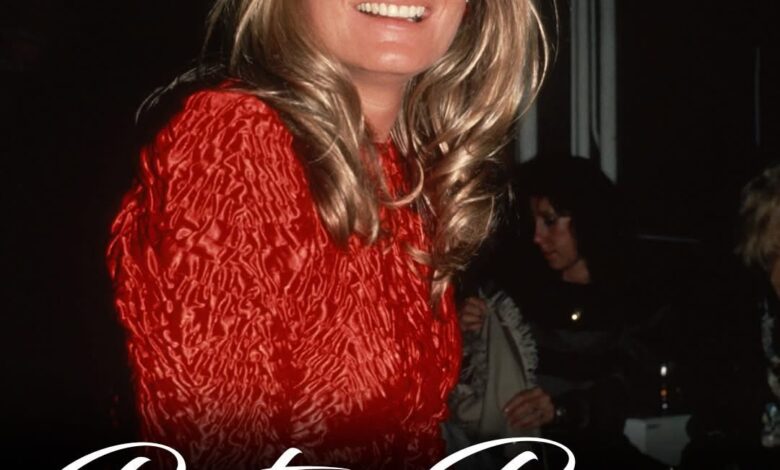
She was never meant to be ordinary. Long before Oscar nominations and blockbuster fame, Valerie Perrine learned to command a room under the hot lights of Las Vegas stages, dancing for audiences who expected perfection every night. That fierce discipline and fearlessness followed her into acting, where her breakthrough dramatic role stunned critics and proved she was far more than a glamorous face. With each performance, she carved out a place in film history that no one else could occupy.
In later years, as illness slowly reshaped her world, Perrine refused to surrender the qualities that defined her. She spoke publicly about her health, not to invite pity, but to offer honesty and connection. Friends remember laughter in hospital rooms, stubborn jokes on difficult days, and a woman who kept choosing grace when it would have been easier to disappear. Her work lives on in beloved films, but her truest legacy may be the courage and individuality she displayed when the cameras were no longer rolling.
Perrine died in March 2026 at the age of 82. Stacey Souther, a close friend and the director of the documentary Valerie, confirmed her death. The documentary follows Perrine as Parkinson’s disease changes her daily life. It also lets audiences hear her speak about the experience in her own voice, years after the roles that first brought her public attention.
The performance that drew an Academy Award nomination was Honey Harlow in Lenny, Bob Fosse’s film about comedian Lenny Bruce. Acting opposite Dustin Hoffman, Perrine played a woman whose place in Bruce’s life carried its own emotional stakes. The role brought Perrine the Best Actress award at Cannes. It also demonstrated what she could do in a drama built around the tension between public performance and private life.
Many viewers came to know her through a very different kind of film. In Superman and Superman II, Perrine played Eve Teschmacher, an associate of Lex Luthor. Her character’s decisions matter to the hero even though she works beside the villain. Perrine gives the part enough humor to fit the films’ lighter scenes and enough feeling for audiences to understand why Eve might act on her own judgment.
The move from Las Vegas stages to film linked two different kinds of performance. The timing and presence needed to hold a live audience carried over into her screen work, where the camera could also register smaller shifts in expression and tone. That range helps explain why the dramatic work in Lenny and the comedy in Superman could both become defining parts of the same career.
In Valerie, the focus moves again, this time to the friendships, daily challenges and candid conversations that shaped her later years. People who knew her could remember the humor that remained present through those changes. Audiences have her films as well as a documentary in which she is able to reflect on those years herself.
The roles continued to reach new audiences through television and home viewing, extending the life of performances she made decades before the documentary.