
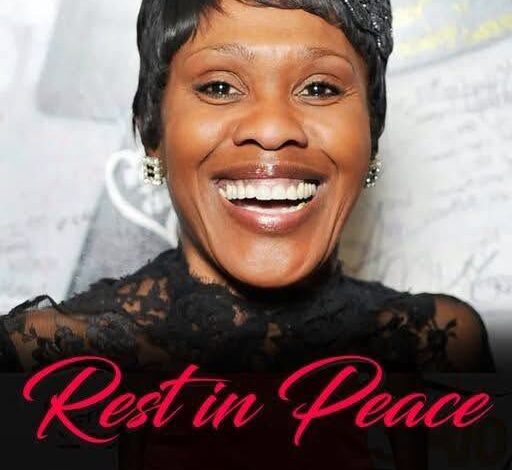
Dee Freeman’s life unfolded like the roles she chose: layered, unflinching, and deeply human. From a “dare” that led her into the Marine Corps to more than 80 stage productions and a steady television career, she built herself through discipline and heart. Colleagues remember a quiet power that filled every room, a woman who didn’t need to demand respect because she already had it. Her work on Seinfeld, ER, Dexter, Shameless, NCIS: Los Angeles, The Young and the Restless, and Sistas was only part of the story; the rest lived in the people she lifted up along the way.
In her final chapter, she kept creating, turning her one-woman show into a novel, still chasing truth through art even as cancer advanced. To her children, Amber and Shane, she was not a celebrity but a compass. Her simple refrain—“Can’t complain”—captures a life lived without self‑pity, only purpose. Dee Freeman leaves behind a legacy of courage, craft, and love that will echo long after the credits fade.
A career that spans the stage and television can be difficult to summarize in a single tribute. A stage production reaches an audience in one room, on one evening, with every performance shaped by the people present. Television reaches viewers in a different way, allowing a performer to become a familiar face across many homes. The account of Freeman’s work brings those two kinds of connection together. It describes a woman whose craft grew through repetition, commitment, and the willingness to keep entering new creative spaces.
The range of programs named in the tribute also shows why no single role can stand for the whole of a working actor’s life. Different productions ask for different rhythms, tones, and ways of listening. A performer may move from a brief appearance to an extended dramatic scene, while still carrying the discipline learned in earlier work. The significance lies in the accumulated effort rather than in a single credit that viewers happen to recognize.
Her continuing interest in writing adds another dimension to that picture. Turning a one-woman show into a novel means carrying a story from spoken performance into the private space of a reader’s imagination. The medium changes, but the wish to communicate remains. In the account presented here, creating was part of how Freeman understood her life, including a period when illness made that work more difficult.
The family perspective gives the tribute its quieter center. Public recognition can describe an actor’s accomplishments, but it cannot fully describe what a parent means to her children. The reference to Amber and Shane moves attention away from credits and toward the relationships that remain after the public conversation ends. Their loss belongs to a different scale of experience, measured through familiar gestures, conversations, and the absence of someone they depended on.
That is why the phrase remembered in the tribute carries more weight than a list of achievements alone. It suggests a way of meeting life with restraint and purpose, without pretending that hardship did not exist. Remembering Freeman through her work, creativity, and family allows those parts of her story to remain connected. The portrait is of a person whose professional discipline and personal affection mattered together, and whose influence cannot be reduced to the final chapter of her life.